Community as a Classroom

Our Goal:
The "Community as a Classroom" project implemented under the Erasmus+ program aims to incorporate the Place Based Learning (PBL) method into everyday school practice. Thanks to this, students and teachers will gain tools to connect education with the local context - culture, history, and nature. PBL develops agency, creative thinking, empathy, and collaboration skills.
Teachers! Here you will find free teaching materials — case studies and lesson plans developed as part of the “Community As A Classroom” project.

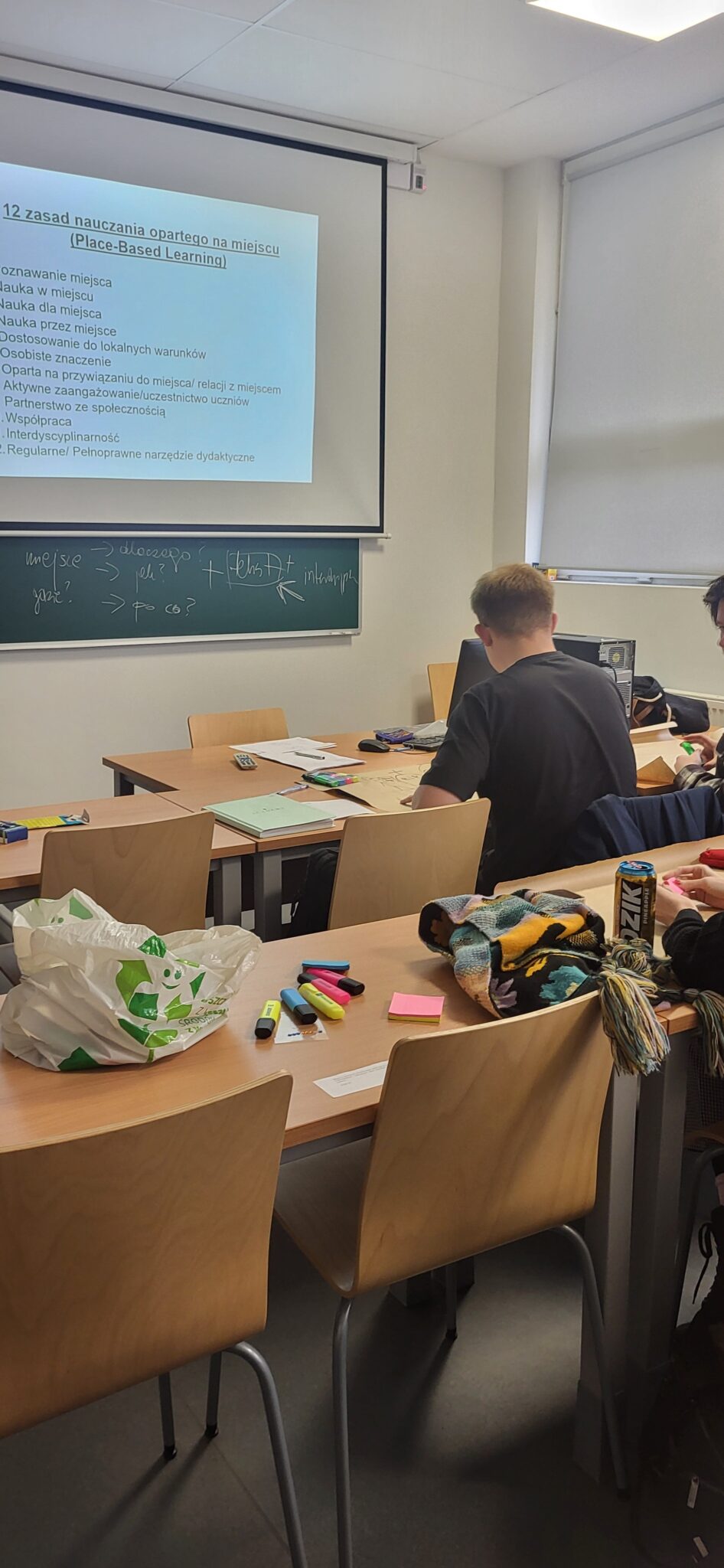
Place Based Learning (PBL), or place-based education, is a method that transfers learning from the classroom into the space of the local community. Students not only acquire knowledge but also learn to solve real problems in their environment. PBL enables a better understanding of local culture, history, and nature, as well as the development of social competencies.

The program is based on the experiences of international experts from Finland, the Czech Republic, Romania, and Slovakia, as well as the original methods of the Code for Green Foundation. The PBL method allows students to discover that their actions have a real impact on the world. By learning to identify local problems and design solutions, they develop agency - a key competency in today's changing and demanding world.
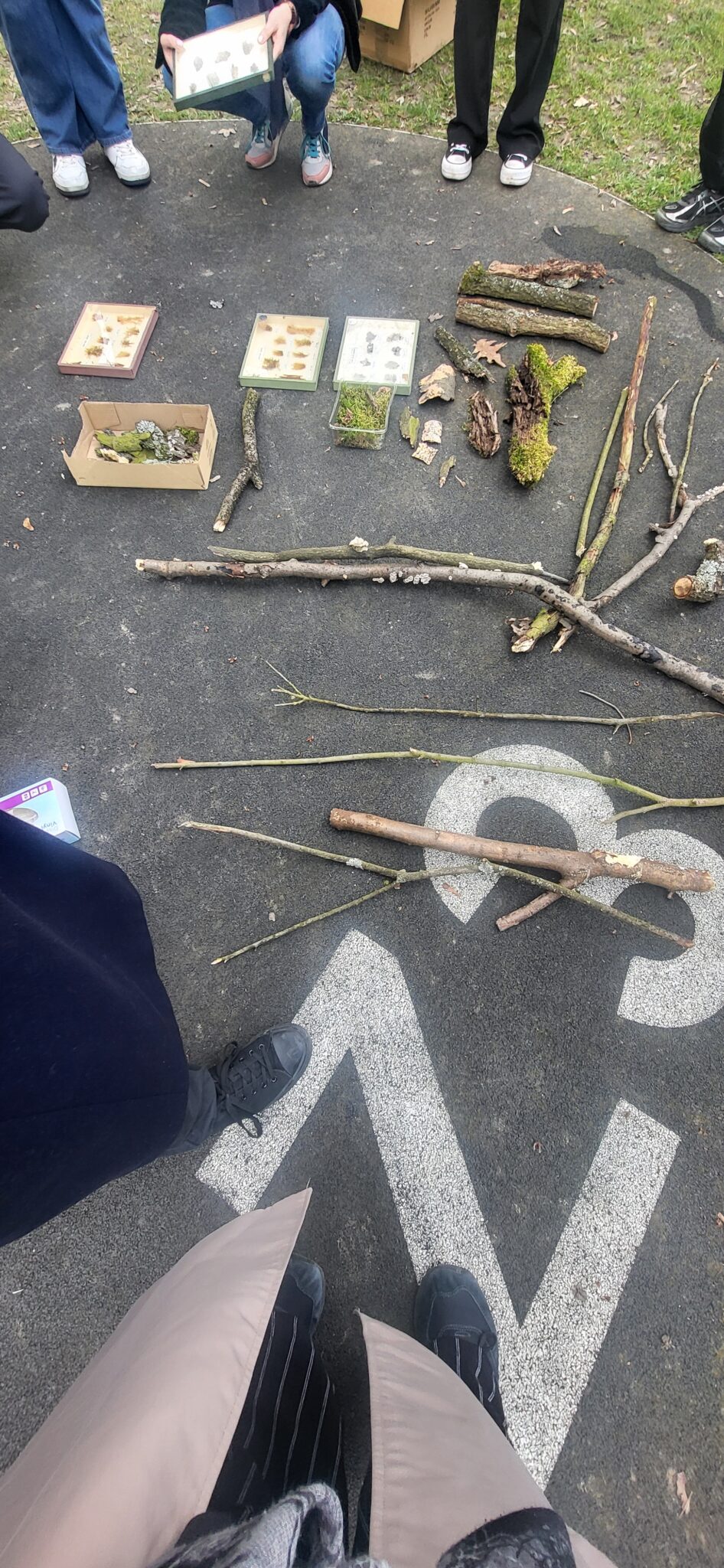
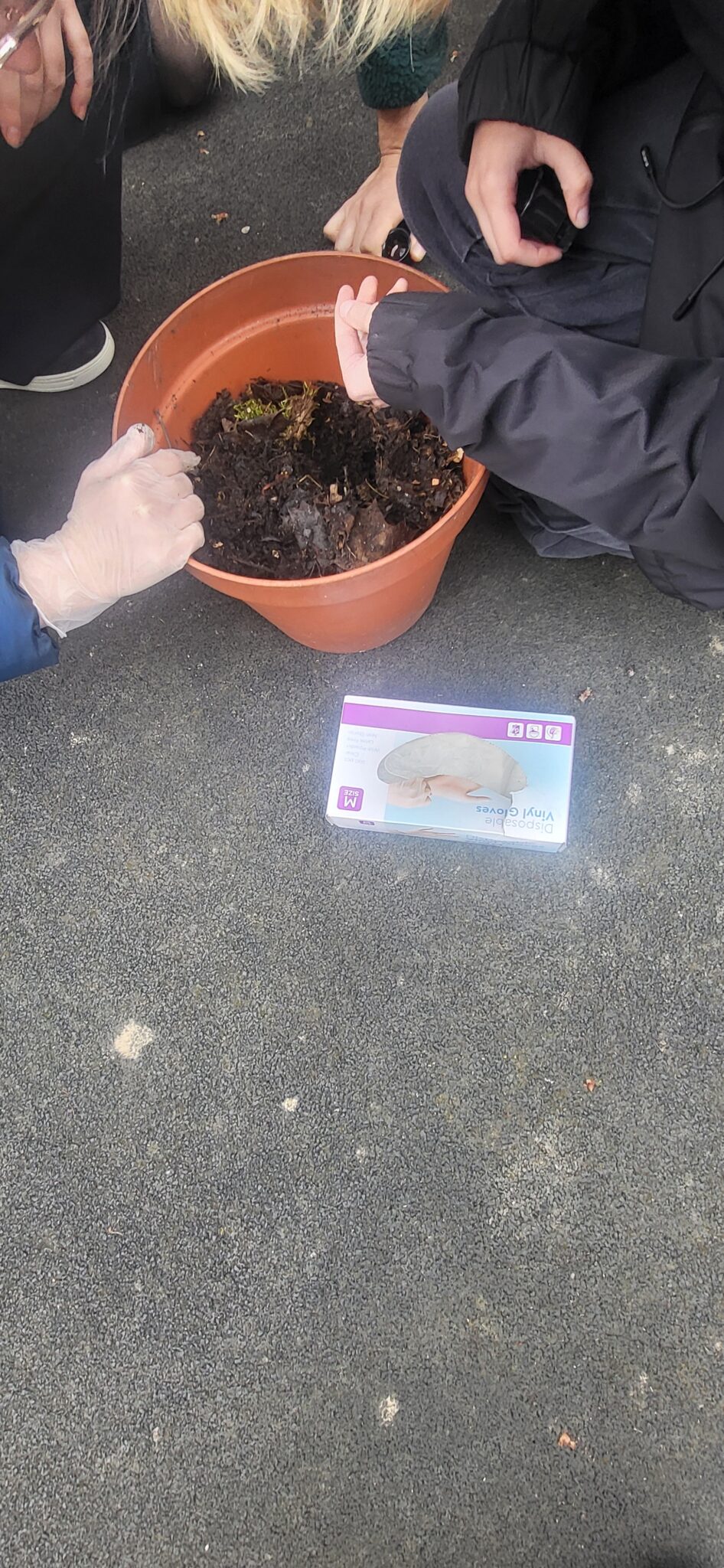
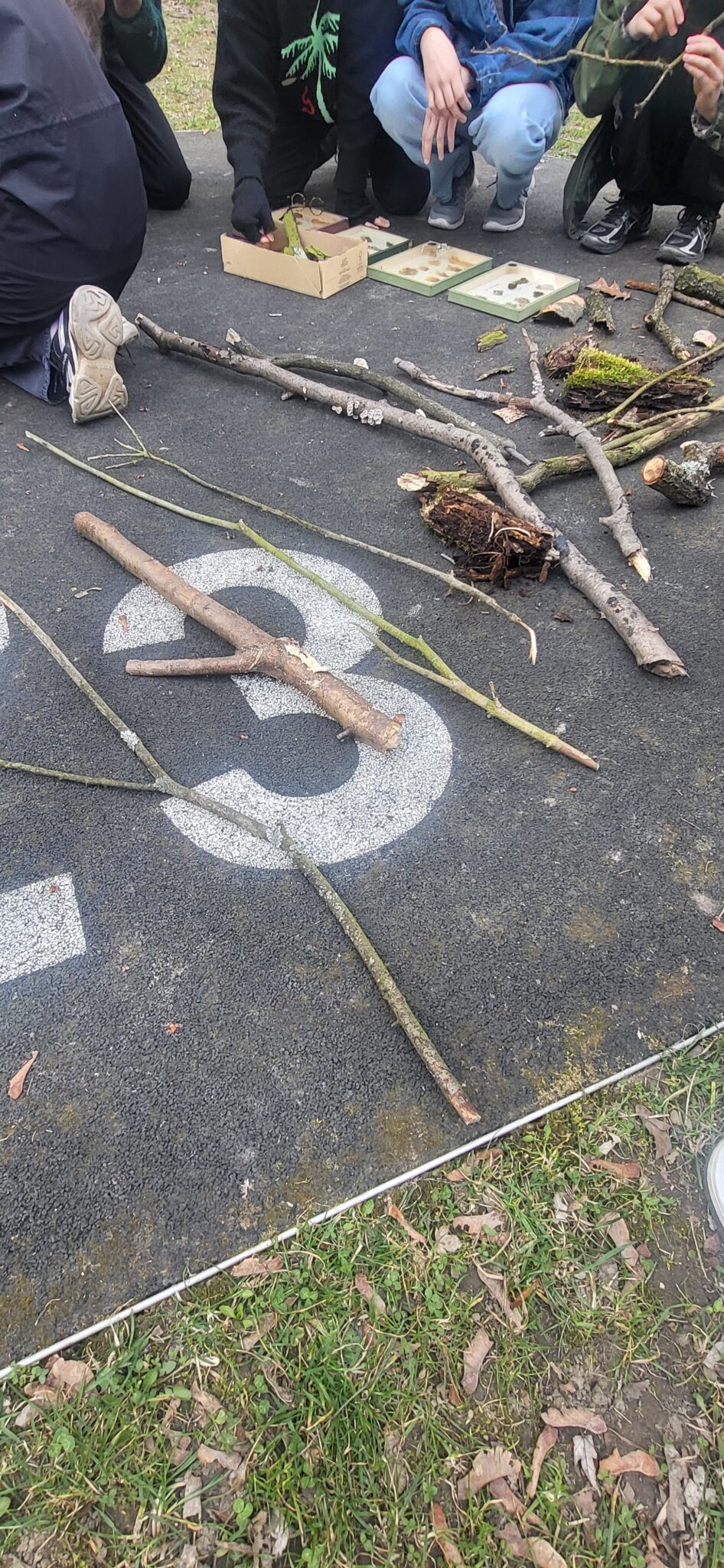
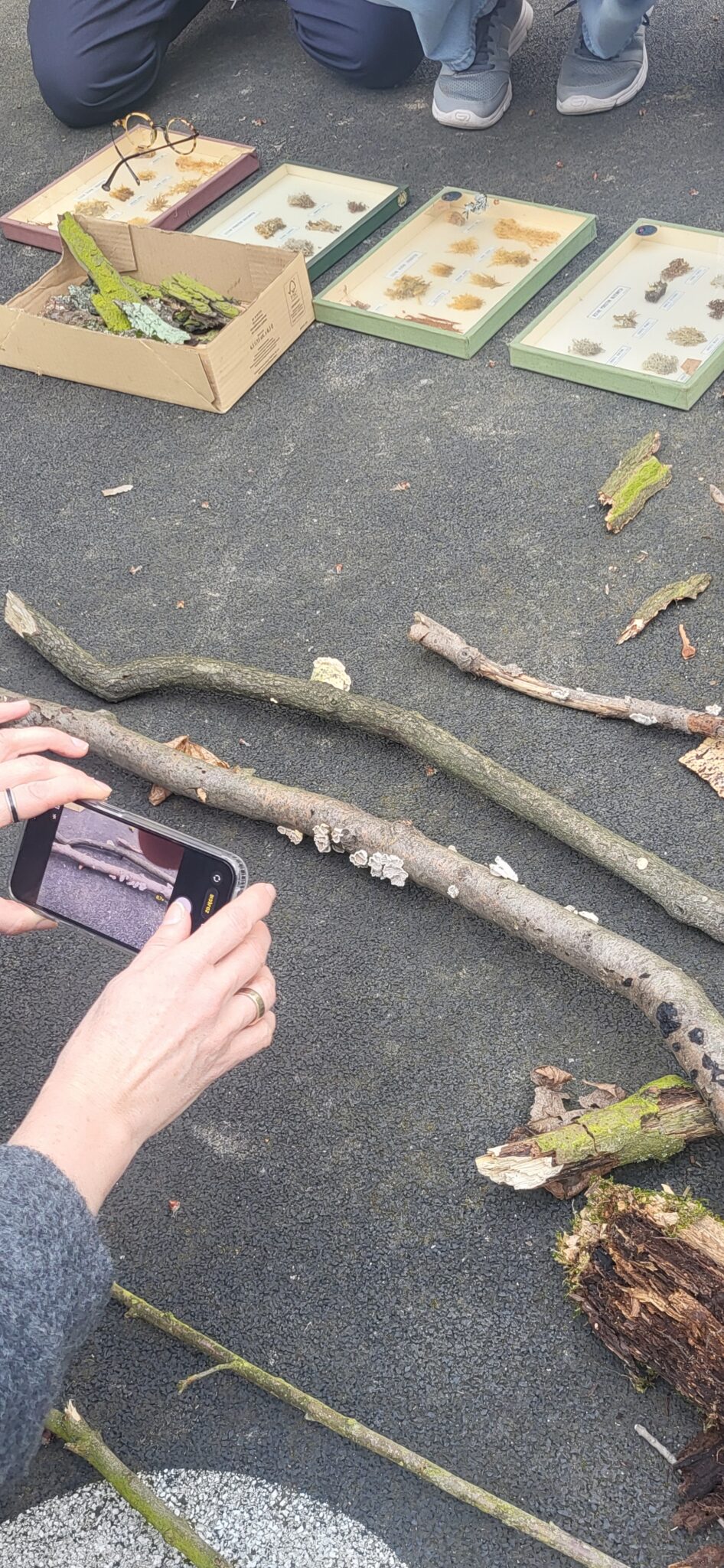
Example activities that can be implemented within the PBL framework include: monitoring water quality in the region, developing strategies for saving natural resources, exploring local history in the context of global challenges.
The success of PBL implementation is based on teacher collaboration. Teacher colleges create a space for joint planning, experience exchange, and mutual support in implementing activities. This work model allows for effective introduction of innovations, increases the engagement of teaching staff, and positively impacts the school atmosphere.
Four schools from Zabrze participate in the project:
Primary School No. 26 named after Rodło, Primary School No. 31, Primary School No. 5 named after King Jan III Sobieski, and High School No. 4 named after M. Rej.

DOWNLOAD PUBLICATION (PL)

We encourage you to make use of the brochure “Community as a Classroom. Inspiration for Place-Based Learning”prepared as part of the international “Community as a Classroom” project, co-funded by the European Union’s Erasmus+ programme.

The publication provides a practical introduction to place-based learning — an educational approach that connects classroom knowledge with the local environment, history, nature, community, and students’ everyday experiences. The brochure includes ready-to-use lesson plans developed by teachers from the Czech Republic, Romania, Slovakia, Finland, and Poland.

Poland was one of the project partners, and our schools also took part in the activities, developing their own lesson plans inspired by the local environment. They cover topics including water, rivers, ponds, local heritage sites, nature, and social responsibility for the environment around us. They show that education can go beyond the school walls and become a meaningful experience of discovering together the place where we live.

The brochure is designed as a practical resource for teachers of different subjects and across different educational levels. The lesson plans can be used as they are, adapted to suit individual needs, or treated as inspiration for creating your own lessons based on local context, collaboration, and student engagement.
DOWNLOAD PUBLICATION (PL)

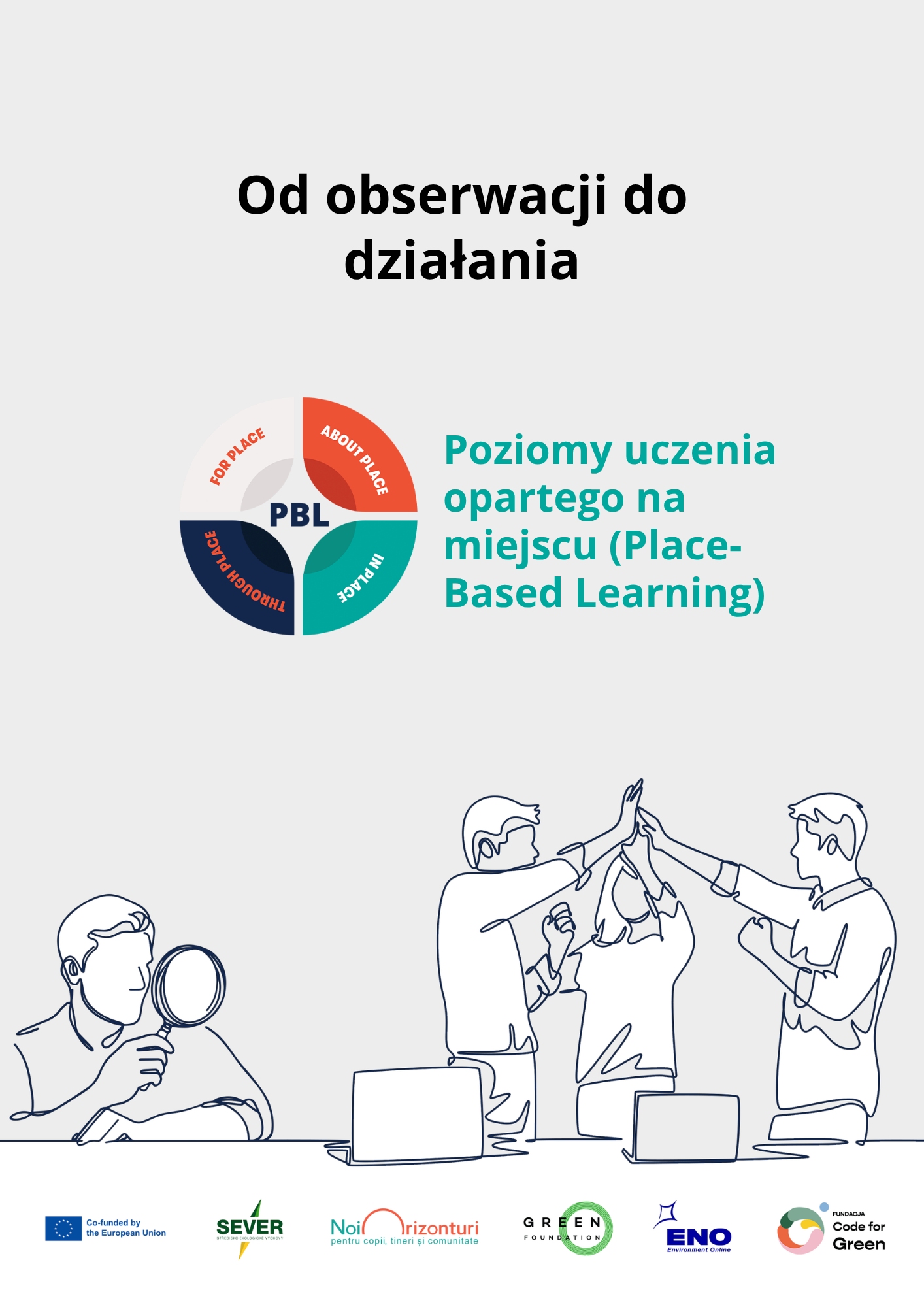
We encourage you to explore the methodology of Place-Based Learning (PBL), developed as part of the “Community as a Classroom” project.
The publication shows how to gradually integrate the local environment, community, history, nature, and real-world local challenges into everyday school practice.

PBL is not simply about learning outside the classroom — it is a way of thinking about education in which the local environment becomes an important source of knowledge, experience, and action. The methodology includes practical exercises, examples of activities carried out by partner schools, the “PBL Ladder” model, and guidance on peer support among teachers. It can serve as inspiration for educators who want to create more engaging, interdisciplinary lessons rooted in students’ real-life experiences.


DOWNLOAD INTERVIEWS

Here you can find interviews with teachers from schools that participated in the “Community as a Classroom” project.

Contact us. Let's talk
dr hab. Małgorzata Wójcik-Dudek

Expert

Invite us to your school and find out how to develop your school!

News
IMG-20250604-WA0026
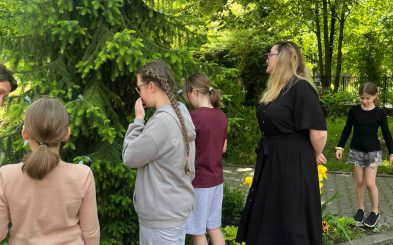
When the Whole Neighborhood Becomes the Classroom. Lessons Aligned with the New National Curriculum (Download Lesson Plans)
PBL_wizualizacja
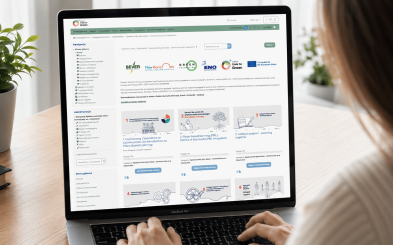
Teachers from Five Countries Share How Place-Based Learning Works
Erasmus_konf
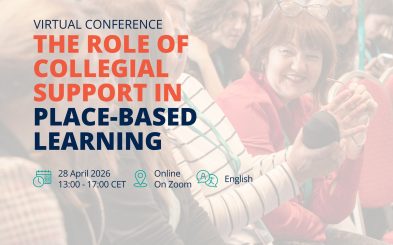
Community as a Classroom. Invitation to a Free Conference for Teachers
Gain new knowledge. Sign up!
Jeśli tak, dołącz do naszej społecznosci i otrzymuj informacje o naszych nowych webinariach, podcastach, artykułach, raportach i szkoleniach. Niektóre z nich są dostępne wyłącznie dla członków newslettera!
Funded by

Projekt „Community as a Classroom” jest finansowany przez Unię Europejską w ramach programu Erasmus+, Akcja KA220-SCH – Partnerstwa współpracy w edukacji szkolnej, numer umowy grantowej: 2023-1-CZ01-KA220-SCH-000165069. Wyrażone poglądy i opinie są wyłącznie poglądami autorów i niekoniecznie odzwierciedlają stanowisko Unii Europejskiej lub EACEA.

Project Partners